November 19, 2026
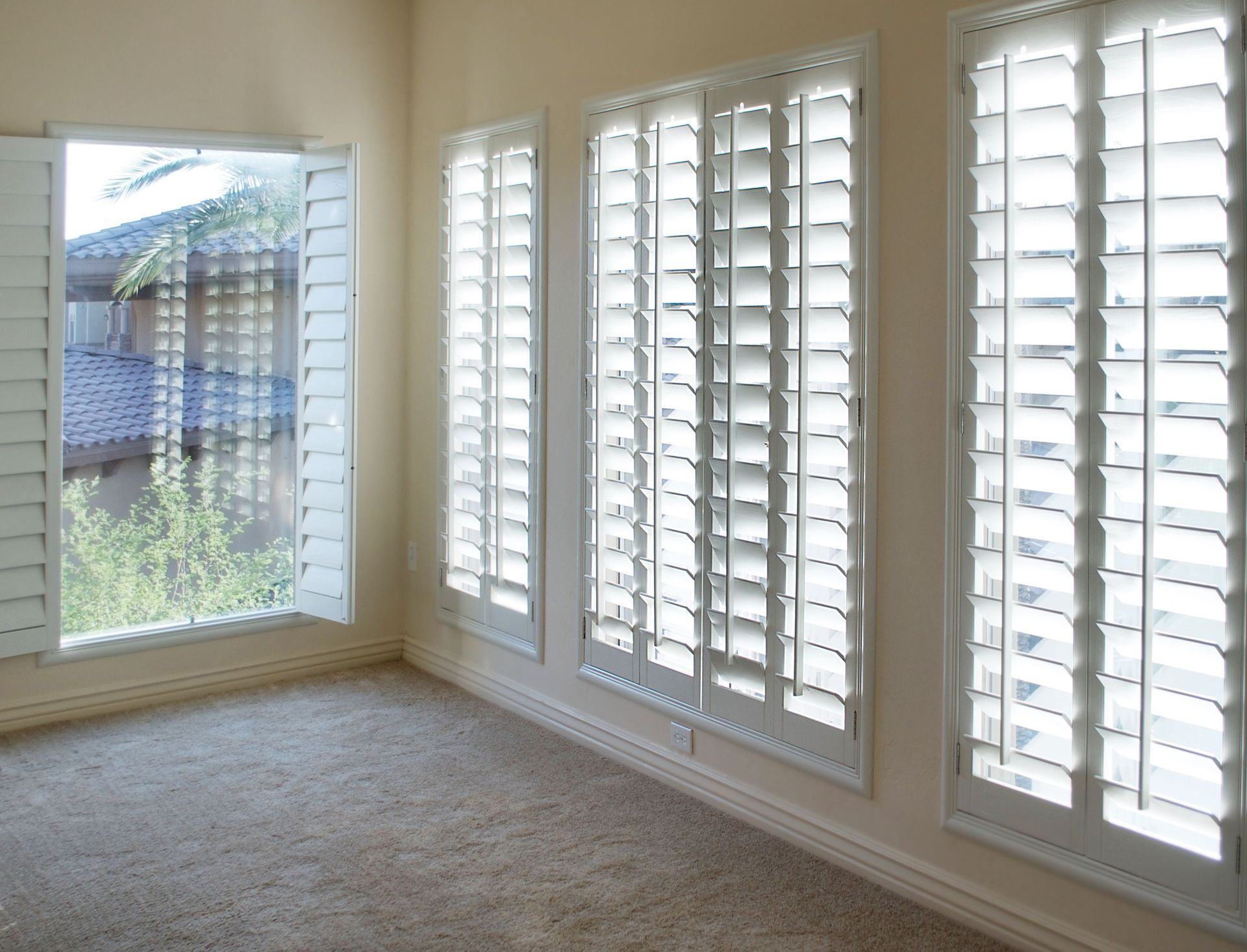
Interior shutters are more than decorative elements in a home. They also play an important role in improving insulation and maintaining comfortable indoor temperatures. Windows are common weak points in a home's thermal envelope, allowing heat to escape during winter and unwanted warmth to enter during summer. Installing plantation shutters creates an additional barrier that helps minimize energy loss.
According to Transparency Market Research, wooden shutters reduce interior heat loss by 51%. This insulating property can contribute to lower energy expenses while improving comfort throughout the home. By limiting heat transfer through windows, shutters can reduce the amount of work required from heating and cooling systems.
Compared with traditional curtains and blinds, plantation shutters offer several advantages. Their solid construction and close fit against window frames help minimize gaps where air can pass through. Curtains and fabric-based treatments may provide some insulation, but shutters create a more substantial barrier. They are also less likely to fade or wear out as quickly, allowing them to maintain their appearance and functionality over time.
The benefits of shutters extend throughout the year. During winter, they help retain indoor heat and reduce the need for constant heating. During summer, they can block direct sunlight and limit indoor temperature increases, potentially reducing air conditioning use. This makes interior shutters a practical option for homeowners looking to improve energy efficiency in every season.
Comparing Shutter Materials and Their Benefits
Selecting the right material is important when considering the insulating benefits of interior shutters. Wooden shutters are frequently recommended because wood naturally resists heat transfer more effectively than some lighter materials. Composite shutters are another popular option, offering a balance of durability, appearance, and insulation.
Material density also influences how effectively shutters limit temperature changes. Denser materials generally provide better resistance to heat transfer, helping prevent indoor warmth from escaping during colder months. Wood and certain composites contain tightly packed structures that help restrict heat movement. Choosing materials with strong insulating properties can make plantation shutters a valuable addition to an energy-conscious home.
In addition to insulation, homeowners should consider durability and maintenance requirements. Wooden shutters may require occasional maintenance to prevent warping or damage caused by humidity. Composite materials are generally more resistant to moisture and may be easier to maintain in certain environments. Both options offer advantages depending on the home's conditions and the homeowner's preferences.
There are also environmentally conscious material choices available, including sustainably sourced wood and recycled composites. When comparing options, homeowners should consider the initial investment alongside expected durability and potential energy savings. Although some materials cost more initially, their long-term performance may make them worthwhile.
Improving Efficiency Through Design and Installation
Proper design and professional installation are important for maximizing the energy efficiency of interior shutters. A precise fit helps minimize gaps around windows where unwanted air movement can occur. Poorly fitted shutters may leave openings that reduce their insulating effectiveness. Professional measurements and installation help ensure that shutters provide appropriate window coverage.
Mounting style is another consideration. Inside-mount shutters fit within the window frame and provide a clean, integrated appearance. Outside-mount shutters attach to the surrounding wall, offering additional coverage that may benefit older homes with drafty window frames. The most appropriate option depends on window construction, available space, and the desired appearance.
Custom and pre-made shutters also differ in their potential energy performance. Custom shutters are designed for individual window dimensions, allowing for a more precise fit and fewer gaps. Pre-made options may be more affordable, but they might not provide the same level of coverage for unusually sized windows. Plantation shutters that fit properly can provide better insulation while maintaining the desired appearance and functionality.
Professional installation is particularly valuable when homeowners want to maximize energy efficiency. Experienced installers can account for window dimensions, mounting requirements, and potential fitting concerns. Properly installed shutters are more likely to provide consistent coverage and perform as intended over time.
Exploring Shutter Styles and Energy Performance
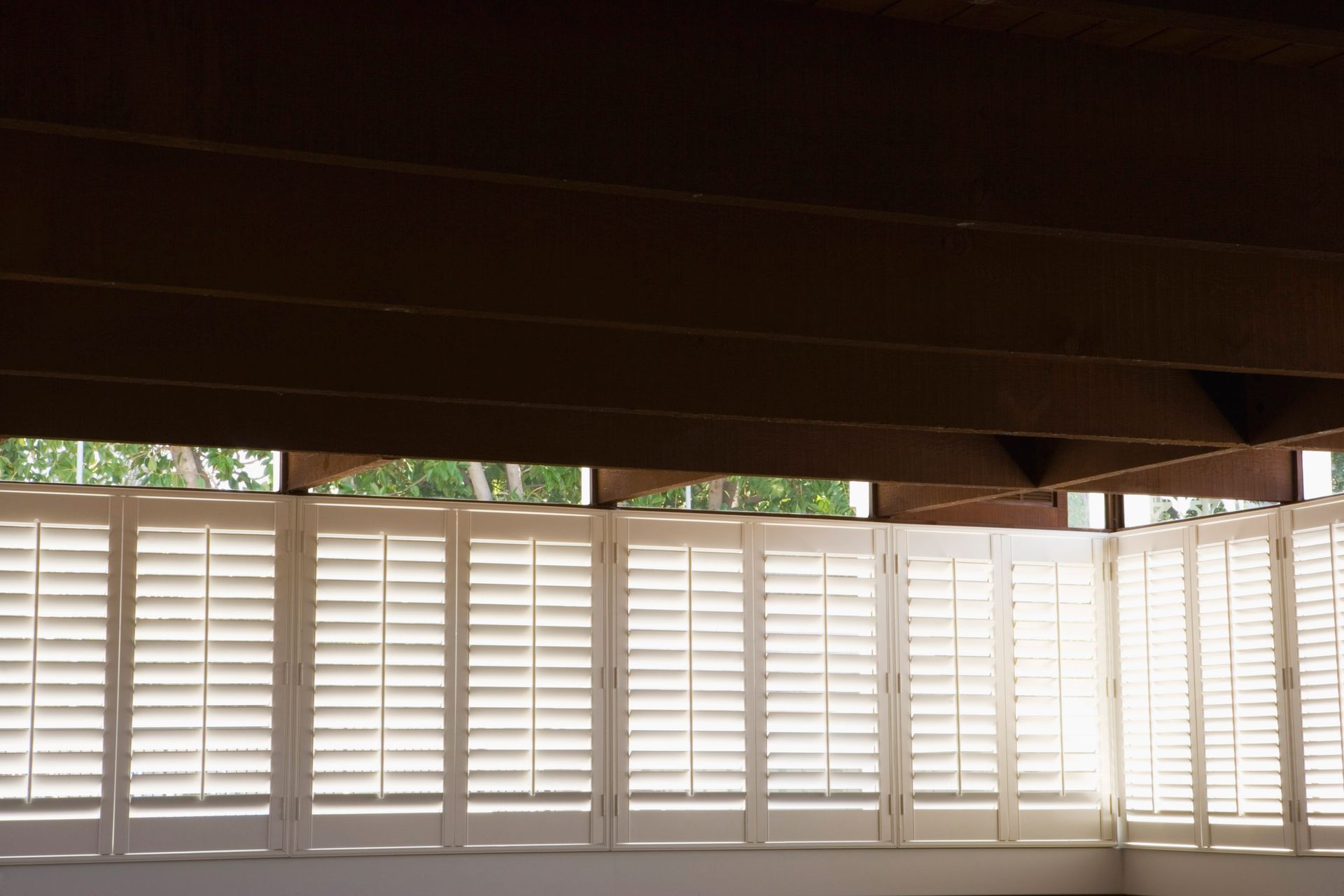
The style of interior shutters can influence how effectively they control sunlight and provide window coverage. Full-height shutters cover the entire window, creating a consistent barrier that supports insulation. Café-style shutters cover only the lower portion of a window, offering privacy while allowing natural light through the upper section. Choosing between these designs involves balancing appearance, privacy, and energy efficiency.
Louver design is another important feature. Adjustable louvers allow homeowners to control how much sunlight enters a room throughout the day. Fully closed louvers provide greater coverage, while partially opened louvers allow natural light to enter without completely exposing the window. This flexibility makes plantation shutters useful in rooms where lighting and temperature preferences change throughout the day.
The color of shutters can also influence how they interact with sunlight. Lighter-colored finishes reflect more sunlight, helping reduce heat buildup during warmer months. Darker finishes absorb more heat, which may be beneficial in certain colder environments. Homeowners should consider their local climate and interior design preferences when selecting a finish.
Decorative details can further influence the appearance and functionality of shutters. Molding, frame designs, and louver configurations provide opportunities to complement different architectural styles. However, design choices should still allow shutters to close properly and provide adequate window coverage. Combining attractive finishes with functional features helps homeowners get the most from their investment.
Combining Shutters With Other Energy Improvements
Interior shutters can provide additional benefits when combined with other energy-efficient home improvements. Energy-efficient glass and low-emissivity coatings help reduce heat transfer through windows. Improving insulation around window frames can also minimize drafts and unwanted air movement. Together, these improvements can strengthen a home's overall thermal performance.
Smart home technology offers another way to improve the convenience of window treatments. Compatible automated shutter systems can adjust according to schedules or changing indoor conditions. This allows homeowners to manage sunlight throughout the day without constantly adjusting their window coverings. Automation can also help maintain consistent indoor temperatures while supporting energy-saving habits.
When compared with larger improvements such as triple-pane glazing or complete window replacement, shutters may offer a more accessible investment. Replacing windows can involve considerable costs, while installing plantation shutters allows homeowners to improve window coverage without immediately undertaking a major renovation. Although shutters cannot replace every benefit of advanced window insulation, they can complement existing windows and provide meaningful improvements.
Homeowners may also want to investigate available incentives and rebates for qualifying energy-efficient improvements. These programs can help offset the costs of certain upgrades, depending on location and eligibility requirements. Considering shutters alongside other improvements can help create a more comprehensive approach to managing household energy consumption.
Evaluating the Financial and Environmental Benefits
One of the primary reasons homeowners consider interior shutters is their potential to reduce heating and cooling expenses. Better insulation can help maintain indoor temperatures, reducing the demand placed on HVAC equipment. Wooden shutters are particularly beneficial because of their insulating properties, with research indicating they can reduce interior heat loss by 51%. Actual savings will depend on factors such as window quality, climate, household energy use, and existing insulation.
The environmental benefits of interior shutters are also worth considering. By helping reduce heating and cooling demands, shutters can contribute to lower household energy consumption. Reduced energy use may also help decrease the emissions associated with residential heating and cooling. Homeowners interested in sustainable improvements can further explore responsibly sourced wood and recycled composite materials.
Overall, interior shutters offer a combination of practical and aesthetic advantages. Their insulating properties, adjustable light control, and durable construction make them useful additions to many homes. When selected carefully and professionally installed, they can support energy efficiency while enhancing interior spaces.
Interior shutters provide homeowners with an opportunity to improve comfort, manage natural light, and support better energy efficiency. Selecting appropriate materials, designs, and mounting options can help maximize these benefits while complementing the home's existing style. With their combination of durability and insulation, plantation shutters remain a practical choice for homeowners seeking attractive and functional window treatments.
Shutter Masters can help homeowners explore window treatment options that suit their home's design and energy efficiency goals. Contact Shutter Masters today to learn more about available shutter styles and find the right solution for your windows.